Chinking 101: Signs Your Log Home Needs Re-Chinking This Year in Ellijay, GA
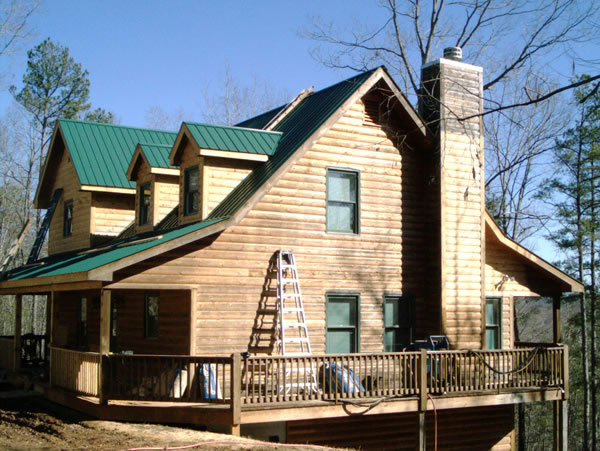
If you have been wondering about log home chinking in Ellijay, GA, you are not alone. North Georgia’s mix of summer humidity, heavy rain, and cool winter nights is hard on the flexible seal that keeps your home tight. When chinking fails, small gaps can invite water, insects, and drafts. If you spot the warning signs below, it is the right time to talk with Bear Creek Log Home Restoration about a professional inspection or chinking service.
Why Chinking Matters For North Georgia Log Homes
Chinking is the flexible barrier that seals the seams between your logs. It helps keep conditioned air inside, sheds wind-driven rain, and reduces the movement of dust and pollen. In the Ellijay area, where afternoon storms can blow across ridgelines and valleys like Coosawattee and Cherry Log, a healthy chink line acts like weather armor for your cabin.
When chinking starts to fail, damage rarely shows up all at once. It begins with tiny openings that let in air and moisture. Over time, repeated wetting and drying can darken the wood, allow decay to start, and make heating and cooling less effective. Catching problems early prevents small repairs from becoming major restoration work.
Top Signs Your Home Needs Chinking in Ellijay, GA
1) Visible Gaps, Cracks, Or Pulling Away
Stand back and look along the seams of your log walls. If you see thin shadows where daylight seems to peek through or you notice the chink bead shrinking away from either the upper or lower log, the seal has lost adhesion. Corners, notches, and checks around knots are common weak points after hot summers.
2) Drafts And Temperature Swings
Rooms that feel chilly along exterior walls in winter or warm along those same walls in summer often point to failed chinking. Pay attention to floors near base logs and around electrical outlets on exterior walls. A drafty feeling in these areas is a classic early signal.
3) Insects, Dust, Or Pollen Trails
Fine dust lines on sills or light green pollen streaks that seem to trace along log seams usually mean air is moving through the wall. In late spring, Ellijay’s pollen season makes these trails easier to spot. Carpenter ants and small spiders are also attracted to tiny openings that chinking is meant to close.
4) Water Staining Or Darkened Wood Below Seams
Look beneath windows, door headers, and long horizontal runs of chinking. Discoloration, dark halos, or streaks after a storm show that water is slipping behind the bead. Do not ignore active leaks. Even short, light rains can drive water into small separations when winds pick up along the Cartecay and Coosawattee corridors.
5) Soft, Crumbly, Or Glossy-Hard Texture
Healthy chinking remains flexible. If it feels chalky and friable or, at the other extreme, hard and brittle with surface glazing, the material has aged out or was not the right product for the job. These textures cannot stretch and contract with the logs through seasonal changes.
6) Noise And Light Infiltration
If you can hear more road or river noise than usual, especially at night, or you notice hairline slivers of daylight at corners, the envelope is no longer sealed. Sound and light ride on the same air pathways that carry moisture.
7) Rising Energy Use Without A Clear Reason
Heating and cooling systems must work harder when conditioned air leaks through gaps. While utility bills vary by season and use, a steady uptick can be a clue that your home’s envelope has loosened, especially when paired with any of the signs above.
- Shadow lines, gaps, or pulling at the edges of the bead
- Drafts along base logs or electrical outlets on exterior walls
- Water stains or dark streaks beneath seam lines after storms
- Dust, pollen, or insect activity tracing along log seams
What Causes Chinking To Fail In Our Climate
Log homes move. Heat, humidity, and cool nights make logs expand and contract. In Ellijay, large day-night swings in shoulder seasons create extra stress on the seal between logs. Sun-exposed walls bake in July and August, then cool quickly when storms roll in. Winter’s occasional freeze-thaw cycles add more motion, which can pry a tired bead loose over time.
Other factors accelerate wear. Direct splash-back off decks without gutters can wet lower courses over and over. Stains or topcoats that were not compatible with the chink product can interfere with adhesion. And earlier spot patches may have bridged over dirt rather than bonded to clean wood, which shortens their life.
Never paint over failing chink. Coating on top of a loose bead locks in moisture and hides problems until the wood darkens. In Ellijay’s humid summers, trapped moisture can spread quickly behind seams.
How Timing And Season Affect Re-Chinking In Ellijay
Scheduling re-chinking around North Georgia weather pays off. Spring and early fall often provide the right mix of moderate temperatures and lower storm frequency for materials to cure well. Summer humidity can work if drying windows are managed. In winter, dry, sunny spells are possible but can be shorter at higher elevations.
Think ahead if your cabin sits in a shaded hollow or along a river where fog lingers. Surfaces in these spots stay damp longer after rain. Planning the work when the forecast supports proper curing reduces callbacks and extends the life of the repair. Schedule re-chinking before the first hard freeze. That choice helps materials set up well and gives you a tighter, more comfortable home through the coldest nights.
What A Professional Inspection Includes
A qualified log home restoration team evaluates more than the obvious gaps. Expect a close look at corners and notches, checks running with the grain, window and door perimeters, and any previous patches. Walls that take the brunt of wind and sun get special attention. The goal is to find root causes and map a repair plan that restores a continuous, flexible seal.
If the evaluation confirms that your home needs fresh sealing, a trained crew will stage the work to protect landscaping, control dust, and keep your home livable. They will match color, profile, and texture so repairs blend with your existing finish. When combining multiple restoration tasks, it can also be helpful to review other options on the restoration services page to plan an efficient project sequence.
Local Trouble Spots To Check Twice
Homes exposed on ridge tops above the valley often see stronger crosswinds that press rain into the seams. Cabins tucked near creeks and coves can hold morning moisture longer on the log surface. Pay extra attention to:
- Log ends, saddle notches, and inside corners that collect runoff
- Window and door heads where flashing shifts with seasonal movement
- Lower courses near decks, steps, and splash zones
A thorough inspection also reviews the compatibility of stains and clear coats with chinking in these areas. Materials must work together for long-term performance.
Protection You Can Feel: Comfort, Air Quality, And Durability
Fresh, well-bonded chinking improves day-to-day comfort. Rooms feel more even in temperature and less drafty near floors. Better sealing reduces the movement of dust and spring pollen, which helps keep indoor surfaces cleaner. It also supports the integrity of the logs by keeping bulk water outside where it belongs.
The payoff shows up every season. Summer storms pound less noise into the home. Winter nights feel calmer without cold ribbons of air sneaking in along base logs. And your HVAC system runs closer to its design load. These small wins add up to a more enjoyable cabin and a stronger building envelope.
Common Myths About Re-Chinking
“If I can’t see a gap, the seal is fine.” Small separations often hide under intact-looking beads, especially near fasteners or checks. That is why a hands-on inspection is important. “Any caulk will do.” Choose a log-home specialist, not general caulk. Products made for broad siding work do not stretch and bond like true chinking, and mismatched materials can cause early failure.
“I should wait until spring.” When signs are clear, waiting through a wet winter can drive moisture deeper into the wall system. A professional can often stage repairs between fronts during the cooler months, so problems do not compound.
When To Call Bear Creek Log Home Restoration
If one or more of the signs above sounds familiar, reach out for a professional assessment. An experienced crew will confirm where the envelope is weak and outline a plan to restore a continuous seal around the home. You can read more about the process and materials on our dedicated page for log home chinking, including what to expect during surface prep and finishing.
For homeowners comparing options or planning future work, it is also helpful to bookmark the main restoration services hub for a broader view of maintenance steps that keep a log home protected year after year.
Next Steps: Get Your Ellijay Cabin Re-Sealed The Right Way
Strong, flexible chinking is one of the best ways to protect your investment before summer storms or winter cold set in. If you are ready to button up the envelope, schedule a visit with Bear Creek Log Home Restoration today. Call us at 706-698-BEAR or request a site review online to get started.
For neighbors and second-home owners looking up log home chinking in Ellijay, GA before their next trip to the mountains, we make timing easy with clear scheduling and communication. When you are ready, use our page on chinking service to outline your goals and preferred season, and we will help you plan a seamless project.