Log Repair or Log Replacement in North Georgia: How Professionals Decide
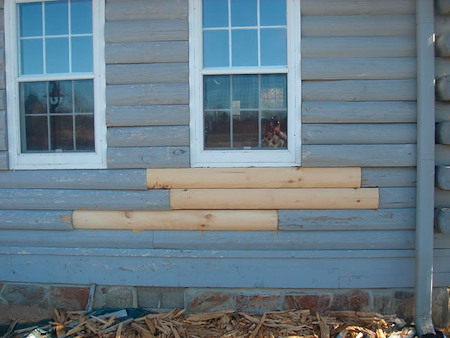
When a log starts to darken, soften, or show gaps, the big question is simple: can it be repaired or does it need to be replaced? In North Georgia, the answer depends on moisture history, insect activity, and structure. This guide explains how pros make the call and what that means for your cabin. If you already see soft spots or dark streaks, reading the service overview for log replacement and repair will help you understand the next steps.
Homeowners across Ellijay, Blue Ridge, Blairsville, and Gainesville want long-lasting results, not band‑aids. That is why many start by comparing approaches and teams. To see what sets our process apart, review how Bear Creek Log Home Restoration handles log repair and replacement in north georgia and then schedule a professional inspection.
What Pros Look For During a Log Home Inspection
A careful inspection is more than a quick glance. Specialists study how water reaches the wood, how far decay has traveled, and whether the log carries any weight. They also consider sun exposure, splash zones near decks, and wind-driven rain that is common along ridge tops and valleys.
- Extent of decay: shallow surface fiber loss behaves differently than deep, spongy sections.
- Load path: sill logs, corner notches, and balcony supports may be structural.
- Moisture sources: failed chinking or caulking, gutter overflow, and deck splash-back.
- Insect activity: powdery frass, exit holes, or tunnels that weaken fibers.
- Finish condition: failing coatings can trap moisture and speed up decay.
When finishes are failing across large areas, restoration often begins with a clean reset. In those cases, crews may recommend dry media blasting so new coatings bond properly after repairs or replacements are complete.
When Log Repair Makes Sense in North Georgia
Repair is favored when decay is limited, the log is not structural, and the original material still has solid bearing. In our climate, this is common where morning shade lingers and only a small portion of the outer face has softened. Repairs typically focus on stabilizing remaining fibers, removing failed material, and integrating matched wood so the wall sheds water again.
If you hear terms like “face repair” or “partial section repair,” the goal is the same: restore integrity without replacing the full course. This approach keeps more of the original look while stopping the spread of damage.
- Small, isolated soft spots with no bounce or sag in the wall.
- Local staining failure that let water sit on the surface.
- Early insect activity caught before tunnels extend through the log.
Never ignore soft bottom logs or dark streaks after a storm. Early attention prevents a repairable spot from turning into a full replacement later.
Rotten Log Repair Options Pros Consider
Every home is different, but the decision tree is similar. The craft is in choosing the right mix for your situation so the fix blends and lasts.
Common goals with rotten log repair options:
- Remove decayed fibers until sound wood is reached.
- Integrate matched wood so the grain direction and checks look natural.
- Seal seams and log ends to keep water out of end grain.
- Prep and finish the area so color, sheen, and texture are uniform.
For long-term protection, pros will verify sealing around nearby windows and doors, then tune the finish system so it performs through North Georgia humidity and sun.
Partial Log Replacement Versus Full-Course Replacement
“Partial log replacement” means swapping only the compromised section while preserving the healthy remainder. It is common where splash-back from steps or low decks caused decay in a small zone. Full-course replacement is chosen when damage runs across the span, into a notch, or affects bearing.
Here is how pros think about it:
- Partial replacement: best for localized decay, good surrounding fibers, and non-structural locations.
- Full-course replacement: necessary when decay crosses joints, reaches support points, or undermines stability.
Both options should finish with tight sealing and a compatible stain so water sheds quickly and the repair disappears into the wall.
When Logs Cannot Be Repaired and Replacement Is Safer
Replacement is the right call when decay travels deep, the log carries a load, or pests have hollowed the center. It is also preferred when repeated wetting from gutters or splash zones has weakened the end grain along corners and notches.
Replacement is the only safe choice when a log is structurally compromised. This prevents further movement, stops moisture pathways, and restores the wall’s load path. In the mountains, where gusty storms push rain into corners, full integrity matters more than a short-term patch.
Climate And Site Factors That Tip The Decision
North Georgia’s weather can speed up small problems. Afternoon storms hit hot walls in summer. Shade along creeks and coves slows drying. Lake breezes and ridge winds drive water into joints that looked fine in spring.
Pros weigh these local details:
- Orientation: south- and west-facing walls bake, then cool fast during storms.
- Elevation and exposure: ridge-top homes see stronger wind-driven rain.
- Deck splash zones: repeated splash against lower logs accelerates decay.
- Gutters and downspouts: misaligned discharge can soak corners after every shower.
That is why the plan often includes targeted sealing around openings and a tuned finish schedule across seasons.
Local tip: In early fall, pop-up storms often follow hot afternoons in the North Georgia mountains. Book your inspection before the first long, wet spell so any small repair stays small.
Checking gutters and splash zones near decks during leaf season can reduce future replacement risk.
How Pros Match New Logs To Old
Good replacements are hard to spot because the team pays attention to species, grain, and the way your old logs check and weather. The new section is cut to match profile, then blended so stain and sheen look consistent in sun and shade. Corners and log ends get special care, since end grain can wick water if not sealed and finished correctly.
Do not paint over failing stain or chinking. Trapping moisture behind coatings hides problems and slows drying, which can force a future replacement where a repair might have worked today.
Sequencing Repairs So Your Finish Lasts
Repairs and replacements are most durable when they are part of a clean, staged plan. Surface prep, sealing, and staining happen in a sequence that respects North Georgia humidity and dry times. If you want a sense of timing from inspection to final coat, this article on how long log home restoration takes explains the typical flow and why weather windows matter.
If the inspection finds failed sealant lines along the wall, pairing targeted fixes with professional chinking or caulking & weather sealing helps protect the repair and reduce drafts. That combination keeps conditioned air inside and rain outside, which supports the finish system.
Clear Signals That Point Toward Replacement
Some clues are strong indicators that a replacement is wiser than a repair, especially on older cabins or those with heavy weather exposure.
- Large, spongy areas that flex under light pressure.
- Hollow-sounding sections that run through a corner or notch.
- Sill logs with sagging floors or doors that rub after rain.
- Repeated water staining below a seam even after sealing is restored.
Not sure which signs you are seeing? Compare your home with the signs you need log home repairs checklist, then schedule an on-site evaluation for a clear plan.
Protecting Your Investment After The Work
Once a repair or replacement is done, the real value shows up when the wall stays dry and the finish holds its color. Scheduling routine care, gentle cleanings, and timely touch-ups extends life between major projects. In our area, it is smart to check splash zones, exposed corners, and log ends before long rainy stretches.
A maintenance-minded partner can help you plan service at steady intervals so small items never snowball. If you want a simple roadmap, ask about the log home maintenance program and how it fits your cabin’s exposure and use.
Why Homeowners In North Georgia Choose Bear Creek Log Home Restoration
Local knowledge matters. The mix of summer humidity, pop-up storms, and shaded hollows makes our mountains unique. Bear Creek Log Home Restoration focuses on careful inspections, clear scopes, and staged work that respects dry times. We protect landscaping, seal log ends, and blend finishes so your home looks uniform from morning shade to afternoon sun.
Ask for a written scope that lists repair versus replacement by location. Clear plans make scheduling easier and help you compare options with confidence.
Ready For A Professional Opinion?
If you are seeing soft spots, dark streaks, or gaps along seams, do not wait for the next storm cycle. A quick inspection can save a repairable area from turning into a full-course replacement. Start with the overview of our log replacement & repair service, then call Bear Creek Log Home Restoration at 706-698-BEAR to schedule your on-site evaluation. We serve cabins across North Georgia and tailor the plan to your site, season, and goals.